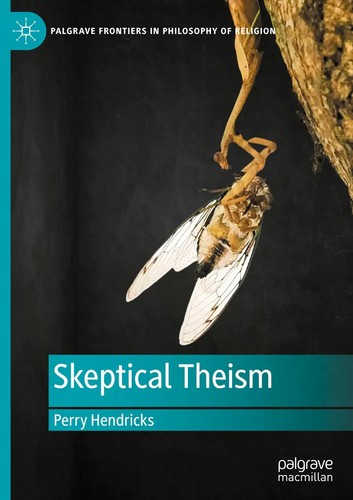
Skeptical Theism (ST) is a philosophical position commonly held by theists that basically exists to to answer the Problem of Evil: if God exists, why are there bad things in the world?
…we can think of skeptical theism as being the view that we should be skeptical about the accuracy of our axiological and deontological evaluations of the permission of evil.
— Perry Hendricks
In layman’s terms, skeptical theism posits that we, as human beings, are not really capable of knowing the actual moral value of anything (because it’s far too complicated), nor are we capable of knowing God’s reasons for doing things— for all we know, our intelligence compared to God is that of an ant.1 Thus, even when bad things happen, the skeptical theist can throw up his hands and say something like “God works in mysterious ways.”
I currently consider myself a skeptical theist, but the position has clear problems. I mostly read this book in hopes that it would help me answer some of those problems, but this ended up being only a small portion of the book. Despite this, I did enjoy it, and I learned a good bit. I started to write a more in-depth review, but honestly, this material was more complicated than I expected; I don’t have many interesting things to say about his arguments, because I still feel underinformed about skeptical theism. Hopefully, I’ll publish more writing on this topic in the future.
Footnotes
-
The versions of skeptical theism that I’m painting here are woefully inadequate. This description is merely given to provide some context for those unaware of skeptical theism. ↩